

Nyerere National Park
Nyerere National Park is Tanzania’s most well-preserved safari locale. The park serves as a refuge for various wildlife and habitats, housing numerous coveted safari species. Nyerere National Park is the largest protected area in Tanzania, encompassing 30,893 square kilometers. It extends from eastern to southern Tanzania, encompassing portions of the Ruvuma, Morogoro, Lindi, and Pwani areas.
This substantial size renders it optimal for exclusive excursions with elevated probabilities of animal discovery. Initially designated as Selous Game Reserve, it was subsequently elevated to national park status due to its diverse species and substantial populations.
The environment of Nyerere National Park encompasses extensive areas of Miombo woodland, open savannas, and marshes. The habitats are perpetually managed responsibly to maintain the park’s eco-friendly status.
Wildlife in Nyerere National Park
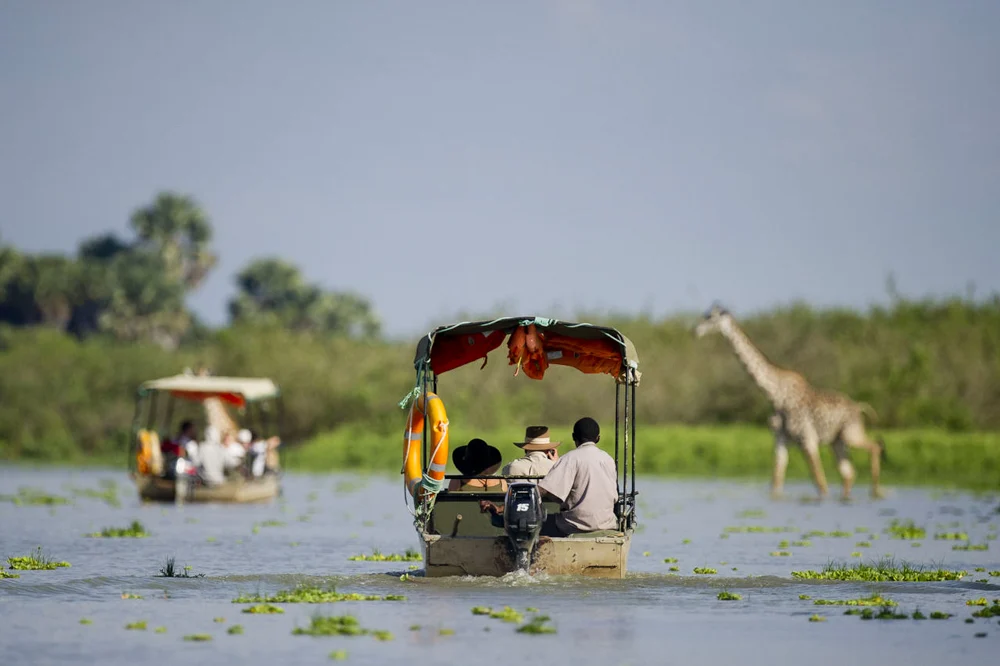
Nyerere National Park hosts several wildlife species, including four of the Big Five mammals. Elephants and buffaloes are abundant and frequently observed feeding on the expansive savannas. Giraffes, hippopotamuses, zebras, hyenas, and wildebeests are frequently observed.
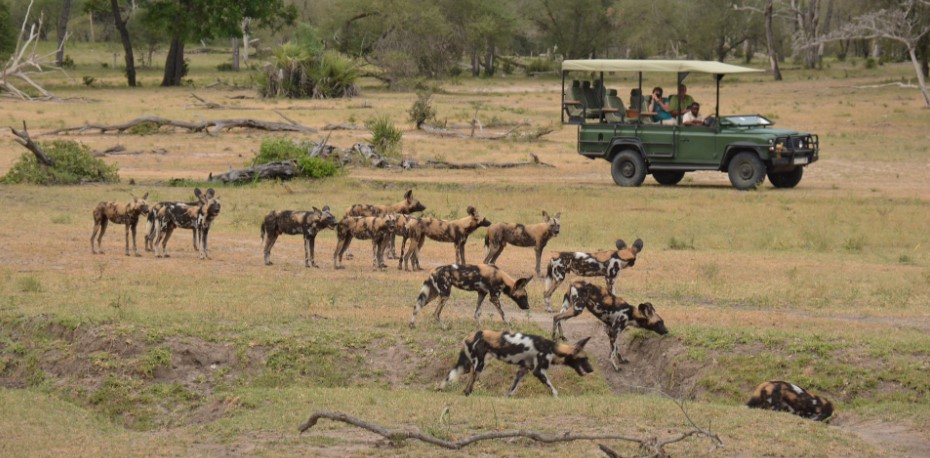
Leopards are reclusive and infrequently observed. Observing a leopard in an unspoiled setting such as Nyerere is gratifying. Nyerere National Park is a bastion for wild dogs and the premier location to observe them. Wild dogs rank among the most lethal canines and are frequently observed traversing the Nyerere forest.
The park hosts many antelope species, including waterbucks, elands, sable antelopes, and greater kudus.
Nyerere National Park is an exceptional place for birdwatching safaris. The banks, lagoons, and islands of the Rufiji River are excellent locations for observing prominent avian species inside the park.
Things to do in Nyerere National Park
Game Drives
The abundant wildlife diversity of Nyerere National Park is optimally experienced during game drives. The park features multiple game drive trails due to its extensive area, ensuring diverse wildlife sightings. The game drives at Nyerere National Park are remarkable as you encounter safari animals, particularly elephants, the largest mammals on land.
Predator sightings are remarkable, offering the opportunity to observe a hunt. Night game drives can be organized to observe nocturnal animal species.
Nature Walks
Guided nature walks are advisable for examining the park’s environment. Nature walks are conducted along various pathways, seeing minor wildlife species, including flora and insects. Seasoned armed ranger guides supervise these excursions, imparting their own experiences.
Boat Safaris
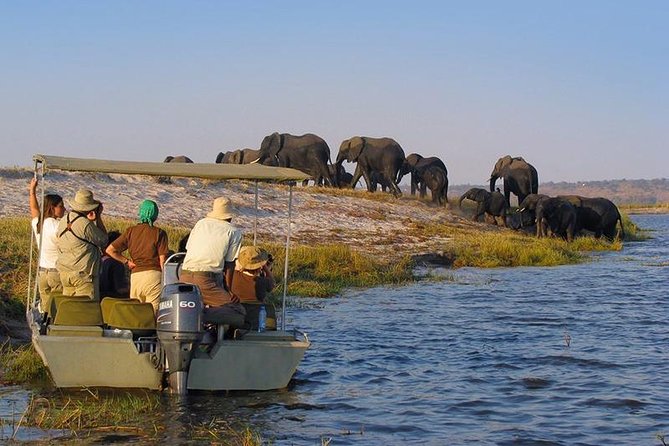
Boat tours represent the optimal method for exploring the fauna and habitat of the Rufiji River. It is a perennial aquatic zone in the park where fauna congregate on a warm day. The river is an excellent location to observe semi-aquatic fauna, such as hippopotamuses and crocodiles.
Birding
Nyerere National Park hosts more than 400 avian species. This renders it an exceptional place for birdwatching, offering many avian species. While in the park, one can observe notable avian species such as African Fish Eagles, Spur-winged Lapwings, African Skimmers, and Thick-billed Cuckoos.
Fly-camping
Fly camping offers an adventurous means to experience the untamed ecology of Nyerere National Park. It is conducted solely in mobile camps carefully positioned in picturesque places optimal for animal observation. Fly camping occurs at night and is one of the premier methods to investigate the park’s nocturnal fauna.
Visits of Cultural Significance
These are optimal for investigating the many communities surrounding the Park. Cultural tours provide insight into the lifestyles and cultural values of local populations. The local communities produce handcrafted items that can be taken home as mementos.
Accommodation options
Nyerere National Park offers a variety of accommodation alternatives equitably scattered across its several areas. Selous Impala Camp is located along the banks of the Rufiji River, providing stunning vistas of the river and its surrounding landscape. The camp’s opulent tents are expansive and feature a viewing balcony. Selous Impala Camp provides fly camping at various sites within the park.
Sand Rivers Nyerere is an opulent safari camp featuring five open-front cottages and three hillside suites, each equipped with individual plunge pools. Each cottage is elevated on a substantial concrete foundation, providing ample space and ventilation. The lodge’s proximity to the Rufigi River enhances its wildlife viewing opportunities. It operates from June to November, coinciding with the dry season and the optimal period for wildlife observation in Nyerere.
Beho Beho, Siwandu Camp, and Lake Manze Camp are more distinguished safari lodges available for selection.
Getting There
Nyerere National Park is accessible via road and air transport. The journey from Dar es Salaam to Mtemere Gate requires a 5-hour drive. The route traverses the Tanzanian countryside, offering remarkable vistas of the landscape.
The northern sector is accessible via charter or scheduled flights operated by Coastal Aviation, Auric Air, ZanAir, and Safari Air Link.
Best time to Visit
Wildlife observation in Nyerere National Park is optimal during the dry season, spanning from June to October. Animals congregate near water sources and are hence readily observable.
Nyerere National Park is optimally experienced in conjunction with Ruaha and Mikumi National Parks during the premier Discovery Journeys of southern Tanzania.