
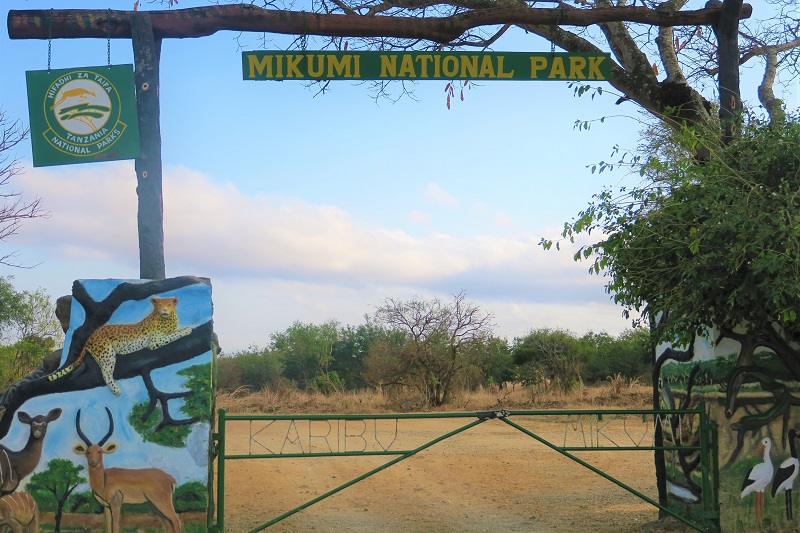
Mikumi National Park
Mikumi National Park, one of the lesser-known wildlife parks in Tanzania, is situated near Morogoro and encompasses an area of 3,230 square kilometers. Established in 1964, it is managed by the Tanzania National Parks Authority (TANAPA). The park is situated 300 kilometers west of Dar es Salaam along the Dar-Mbeya route. It is adorned with picturesque plains and baobabs, serving as a habitat for various wildlife and avian species.
This national park contains a remarkable concentration of wildlife, including uncommon species such as Sable antelopes, African hunting dogs, blue wildebeests, and Lichtenstein’s hartebeests, among others. The southern regions of the park feature moderate hillsides and extensive miombo forest savanna, which are particularly remarkable.
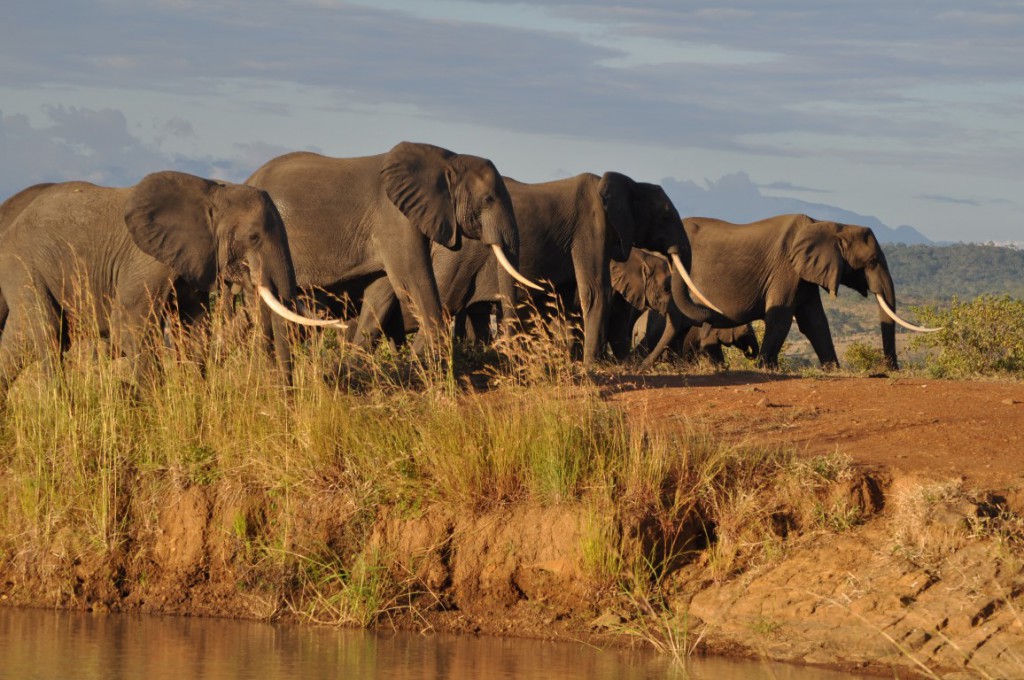
Mikumi National Park is recognized as the fourth-largest national park in Tanzania. Additionally, it shares a contiguous boundary and habitat with the Selous Game Reserve to the south, facilitating wildlife migration between the northern section of the reserve and the southern region. The park is situated between the Uluguru Mountains and the Lumango Range. Mikumu National Park was established as a national park in 1964 and encompasses an area of 3,230 square kilometers. It is frequently likened to Serengeti and Tarangire National Parks because of its varied habitat. The term Mikumi is associated with the village located on its western boundary adjacent to Dar es Salaam. The settlement derives its name from the palm tree “Borassus ss.” Numerous visitors converge on Mikumi National Park with the objective of observing the Big Five: Leopard, Lion, Elephant, Buffalo, and Rhino.
Vegetation in Mikumi National Park
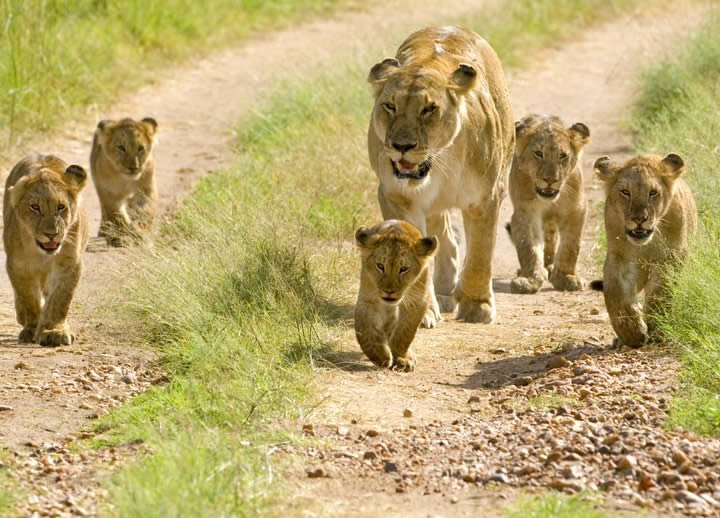
Mikumi is characterized by several vegetation types akin to those found in Serengeti and Tarangire National Parks. The park is partitioned into two halves, resulting in distinct habitats characterized by varying vegetation zones. The northern part is constrained by the Alluvia plains, which are desiccated by the Mkata River. This region features wide savannah grassland, characterized by Baobab trees, palms, acacia, and tamarind trees. The palm trees are scattered in the Mkata river basin. The northern sector hosts a significant population of herbivores, which congregate near the dwindling water sources in the plains throughout the dry season, so attracting various predators such as hyenas, lions, and leopards intermittently. The southern region of Mikumi is constrained by forested areas interspersed with miombo woodlands, riverine forests, lowland forests, bushland, thickets, and acacia trees. This area supports the uncommon tree-climbing lions; yet, it is not easily accessible due to inadequate infrastructure.
Wildlife in Mikumi National Park
Mikumi National Park hosts a diverse array of biodiversity, encompassing several of Africa’s most emblematic wildlife species. Notable species to observe include lions, leopards, cheetahs, elephants, zebras, sable antelopes, blue wildebeests, African hunting dogs, Lichtenstein’s hartebeests, buffaloes, giraffes, impalas, elands, warthogs, and greater kudus, among others. Encounters with primates will include Yellow Baboons, Vervet Monkeys, Colobus Monkeys, among others. The park features amphibians and reptiles such as Nile crocodiles, monitor lizards, pythons, cobras, tortoises, and turtles.
It serves as a birding haven for several avian enthusiasts, hosting over 400 bird species. Notable species include the Lilac-breasted Roller, Secretary Bird, African Fish Eagle, Open-billed Stork, Hornbill, Yellow-billed Stork, Ground Hornbill, Vulture, Raptor, and Bee-eater.
Things to do in Mikumi National Park
Guided nature walks
This activity is conducted via several walking trails and encompasses 3 to 4 circuits across the park. Three frequently utilized walking routes include Kikoboga, Vuma Hills, and the Mikumi Wildlife Resort trail.
Visitors may be escorted by a knowledgeable guide and an armed ranger for protection against hazardous wildlife. Your walking safari will provide opportunities for intimate interactions with wildlife and avian species. Optimal execution occurs throughout the arid season.
Bird watching
Mikumi is an exceptional birding destination, home to over 400 documented bird species, including migratory, savanna, and aquatic birds, among others. Birdwatching is most effectively conducted during game drives and nature walks, with notable species including the open-billed stork, Zanzibar red bishop, purple-breasted roller, hornbills, Malachite kingfisher, bateleur eagle, martial eagle, and marabou stork. Numerous aquatic avians can be observed near the Hippo pool in the park. Migratory birds are observed from November to April.
Wildlife Watching
Wildlife observation is a prominent activity conducted in Mikumi National Park. You may participate in either daytime or nighttime game drives, the latter providing opportunities to observe nocturnal species. It is optimally conducted in 4×4 safari vehicles under the guidance of a knowledgeable safari guide, well-versed in the historical context. The Mkata floodplains are ideal for observing lions and elephants. This region also draws substantial populations of buffalo, elephants, zebras, wild dogs, waterbucks, wildebeest, hartebeest, sable antelopes, impalas, larger kudus, elands, warthogs, and yellow baboons.
Camping and Picnicking
Mikumi provides both comfortable camping and picnicking, enabling guests to engage with the natural environment. Camping occurs in the northern region and is highly sought after by nature enthusiasts. The park includes two camping sites: a public campsite and a private campsite. They possess fundamental amenities such as water, restrooms, bathing facilities, and a kitchen. A previous reservation is necessary for the private camping to prevent hassles.
The picnic places include Mwanambogo, Mbuyuni, and Millennium.
Visits of Cultural Heritage
The park is encircled by distinct civilizations, coordinated under Chilunga cultural tourism. Tourists have opportunities to engage in ethnic dances and sample traditional cuisine.
Best Time for Safari at Mikumi National Park
Mikumi National Park is frequented year-round. The optimal time to visit the park is during the peak season, from June to October. During this moment, the vegetation is sparse, allowing for unobstructed observation of animals congregating around the Mkata River for water.
Directions to Mikumi National Park
Mikumi National Park is accessible by either road or air, contingent upon the traveler’s preference.
The travel by car from Dar-es Salaam to the park takes 4 to 5 hours.
Via air transport: Certain guests may opt for air travel through domestic airline reservations facilitated by Safari Air Link, linking to destinations such as Selous, Zanzibar, Ruaha, and Dar es Salaam.
Accommodation options;
Mikumi National Park offers a variety of hotel options, including luxury, mid-range, budget, and camping facilities. The facilities comprise Mikumi Wildlife Camp, Tan-Swiss Lodge, and Stanley’s Kopje Camp. Commence immediately!